How CPD can support your professionalism P | Professionalism
Guide index
 Library > Library guides > Professional development hub > ANZCA and FPM CPD Program
 Category 1: Practice evaluation
Category 2: Knowledge & skills
This is learning that covers the expected standards of behaviour, conduct, and ethical decision-making for health practitioners.
Key areas to consider in planning your CPD in relation to professionalism:
Practice evaluation (category 1)
Knowledge & skills (category 2)


 Good Medical Practice: A Code of Conduct for Doctors in Australia
by
Good medical practice (the code) describes what is expected of all doctors registered to practise medicine in Australia. It sets out the principles that characterise good medical practice and makes explicit the standards of ethical and professional conduct expected of doctors by their professional peers and the community.
Good Medical Practice: A Code of Conduct for Doctors in Australia
by
Good medical practice (the code) describes what is expected of all doctors registered to practise medicine in Australia. It sets out the principles that characterise good medical practice and makes explicit the standards of ethical and professional conduct expected of doctors by their professional peers and the community.
 Good Medical Practice [New Zealand]
by
A doctor's first concern is to take care of their patient, and to do so with respect, honesty and professionalism.
Our "Good Medical Practice" publication sets out the principles and values that define good medical practice, and provides guidance to doctors on the standards we expect of them in all aspects of their professional behaviour.
Good Medical Practice [New Zealand]
by
A doctor's first concern is to take care of their patient, and to do so with respect, honesty and professionalism.
Our "Good Medical Practice" publication sets out the principles and values that define good medical practice, and provides guidance to doctors on the standards we expect of them in all aspects of their professional behaviour.
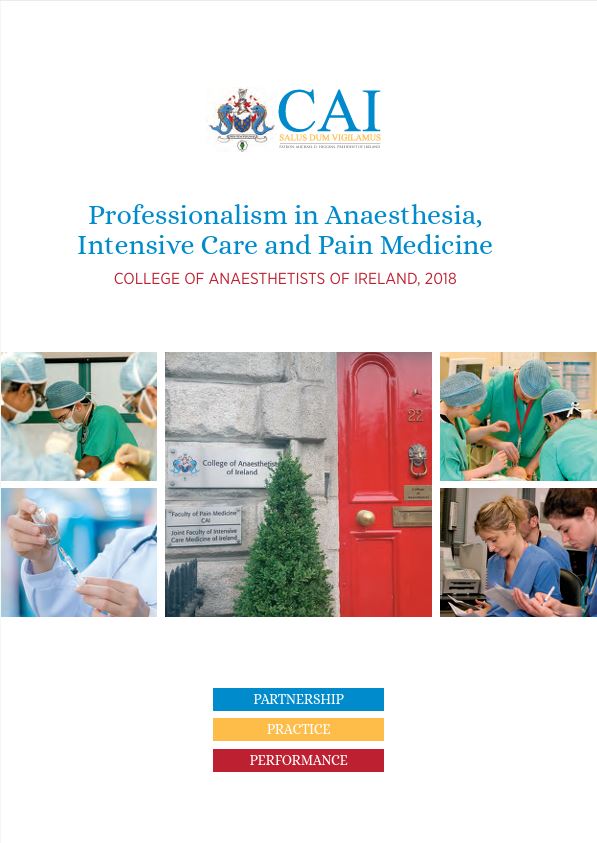 Professionalism in Anaesthesia, Intensive Care and Pain Medicine
by
Professionalism in Anaesthesia, Intensive Care and Pain Medicine
by
 The college welcomes suggestions on additional resources and topics for CPD on professionalism and ethical practice.
Learn@ANZCA (formerly Networks) is the college's learning management system.
 Note: Some resources located in Learn@ANZCA require that you first register before accessing.


 Supporting Professionalism and Performance: A Guide for Anaesthetists and Pain Medicine Physicians 2024
by
The guide aims to assist fellows and trainees by providing a framework for understanding professionalism and performance as it applies to the practice of anaesthesia and pain medicine. The structure mirrors the ANZCA and FPM roles in practice and builds from the curriculum frameworks of the anaesthesia and pain medicine training programs under each of these roles.
Supporting Professionalism and Performance: A Guide for Anaesthetists and Pain Medicine Physicians 2024
by
The guide aims to assist fellows and trainees by providing a framework for understanding professionalism and performance as it applies to the practice of anaesthesia and pain medicine. The structure mirrors the ANZCA and FPM roles in practice and builds from the curriculum frameworks of the anaesthesia and pain medicine training programs under each of these roles.

 Manual of Healthcare Leadership: Essential Strategies for Physician and Administrative Leaders
by
Rather than being a theoretic work, The Manual of Healthcare Leadership is intended to be a relevant, practical, and real-world guide that addresses the myriad organizational, regulatory, budgetary, legal, staffing, educational, political, and social issues facing leaders in the healthcare industry.
Manual of Healthcare Leadership: Essential Strategies for Physician and Administrative Leaders
by
Rather than being a theoretic work, The Manual of Healthcare Leadership is intended to be a relevant, practical, and real-world guide that addresses the myriad organizational, regulatory, budgetary, legal, staffing, educational, political, and social issues facing leaders in the healthcare industry.
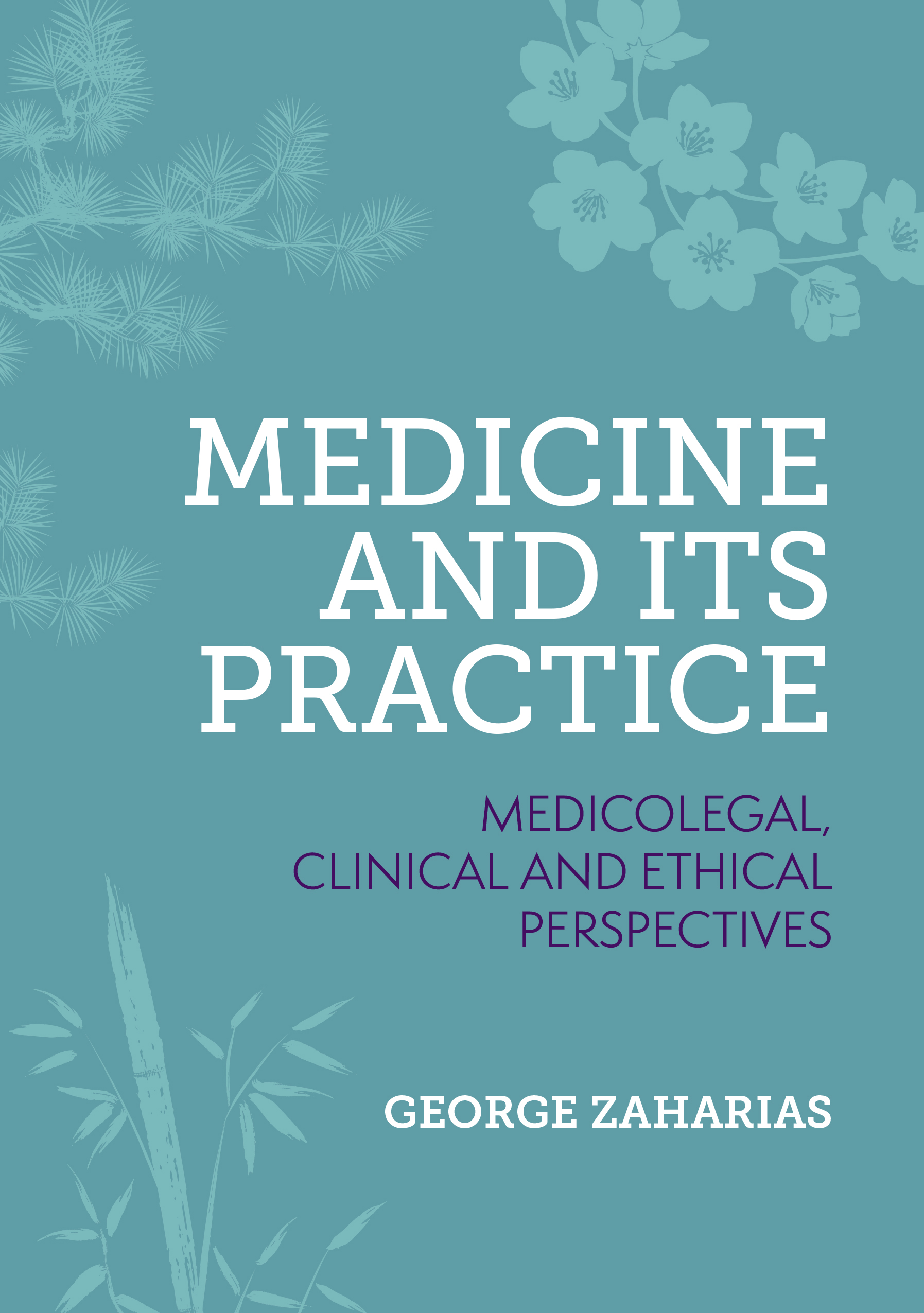 Medicine and Its Practice: Medicolegal, Clinical and Ethical Perspectives
by
Part 1: The Nature of a Doctor · Part 2: Medicolegal Issues · Part 3: Core Clinical Skills · Part 4: Ethical and Professional · Part 5: Wellbeing and Resilience.
Medicine and Its Practice: Medicolegal, Clinical and Ethical Perspectives
by
Part 1: The Nature of a Doctor · Part 2: Medicolegal Issues · Part 3: Core Clinical Skills · Part 4: Ethical and Professional · Part 5: Wellbeing and Resilience.
 Understanding Medical Professionalism
by
A groundbreaking text on how to deliver the highest quality patient care through professionalism in daily medical practice.
Understanding Medical Professionalism
by
A groundbreaking text on how to deliver the highest quality patient care through professionalism in daily medical practice.

Quick links
About ANZCA
Connect with us
ANZCA


FPM
Copyright © Australian and New Zealand College of Anaesthetists.